
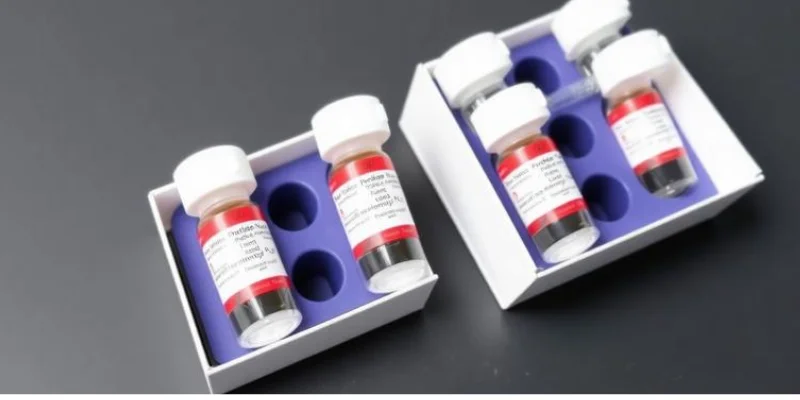
Ordering custom peptide packaging seems simple on the surface — pick a box, add your logo, place the order. But peptide products come with unique handling, compliance, and branding demands, and a rushed packaging decision can lead to damaged inventory, compliance headaches, or a brand that just doesn’t stand out on the shelf.
Whether you’re a supplement company, a research peptide supplier, or a pharma-adjacent brand, custom peptide boxes are one of the most important investments you’ll make in protecting your product and your reputation. And within that category, cardboard peptide boxes have become the go-to choice for most brands — they’re lightweight, cost-effective, and easy to customize without sacrificing durability. Whether you think of them simply as product boxes for your inventory or as specialized healthcare boxes built for clinical-grade standards, the same core principles apply. Here are five common mistakes to avoid when ordering them — and how to sidestep them.
1. Ignoring Product Protection Requirements
Peptides are often sensitive to light, moisture, and temperature. A box that looks great but offers no real protection can compromise product stability during shipping and storage.
The fix: Choose materials and inserts designed for the product’s needs — think light-blocking coatings, moisture-resistant liners, or foam inserts that keep vials secure in transit. High-quality cardboard peptide boxes can be engineered with these protective features built right into the structure, so durability doesn’t have to come at the expense of a clean, branded look. Don’t treat packaging as purely cosmetic; function has to come first.
2. Overlooking Compliance and Labeling Standards
Peptide products, especially those marketed for research or clinical use, often fall under strict labeling and safety regulations. Skipping tamper-evident seals, required warnings, or accurate dosage information can create legal and safety risks.
The fix: Work with a packaging partner who understands the regulatory landscape for your product category and region. This is especially important if your packaging doubles as healthcare boxes intended for clinical or research settings, where labeling accuracy isn’t optional. Build compliance checks into your design process from day one, not as an afterthought.
3. Choosing Stock Templates Over True Customization
It’s tempting to save money with a generic box template, but stock packaging rarely fits peptide vials or ampoules precisely, and it does nothing to differentiate your brand from competitors using the same template.
The fix: Invest in a custom die-line and insert design that fits your specific product dimensions. Generic product boxes might work for a wide range of goods, but peptides need precision — a well-fitted box reduces movement and damage, and a distinctive design builds brand recognition.
4. Underestimating Minimum Order Quantities and Lead Times
Many brands get caught off guard by high minimum order quantities (MOQs) or long production lead times, leading to stockouts or rushed, costly reorders.
The fix: Plan ahead. Ask suppliers about MOQs, turnaround times, and rush-order options before you’re in a crunch. If you’re a smaller brand, look for manufacturers who offer flexible short-run printing.
5. Neglecting Sustainability and Brand Perception
Customers increasingly notice excessive or non-recyclable packaging. Choosing materials without considering sustainability can hurt brand perception, especially in the wellness and health space where eco-conscious buyers are common.
The fix: Explore recyclable or biodegradable materials, and right-size your packaging to avoid unnecessary waste. Highlighting sustainable choices on your packaging can even become a selling point.
Final Thoughts
Custom peptide packaging isn’t just about looks — it’s about protecting your product, meeting compliance standards, and building a brand customers trust. Whether you need durable cardboard peptide boxes for everyday shipping, standard product boxes for retail display, or fully compliant healthcare boxes for clinical distribution, the fundamentals stay the same. Avoiding these five mistakes will help you create packaging that performs as well as it looks, setting your brand up for long-term success.